

Periodically, the RTF performs research and data or market analysis on specific areas to advance or inform its work. All the RTF’s completed and ongoing research and analysis efforts are housed on this page with links providing further in-depth details on the work. There are three main areas of focus detailed below, including, results of analysis of regional data sets, special projects and studies, and research projects to reduce the uncertainty of existing RTF Planning UES measures. For more on any of these efforts, please contact us at rtfadmin@nwcouncil.org.
Regional Data Analysis
End Use Load Research Analysis Clearinghouse. The Northwest Energy Efficiency Alliance (NEEA) collected one-minute interval data for commercial and residential end uses in the Northwest from 2020-2025. This first-of-its-kind study has provided a wealth of data to support the region in gaining key insights into electricity usage of residential and commercial end uses. Given the volume of data from the End Use Load Research (EULR) study, the region is just starting to gain insights from analysis of the data. To support sharing of the results from EULR analysis, the RTF with support from NEEA is maintaining a webpage to collect all the analysis of the Home Energy Metering Study (HEMS) and Commercial Energy Metering Study (CEMS) completed by the RTF’s contractors, as well as sharing the publicly available results of other entities. The intention of this webpage is to provide the region with a collection of the analysis completed using EULR data as a resource for researchers in starting projects or those interested in understanding the types of insights to be gained from these data sets.
Special Studies and Research Projects
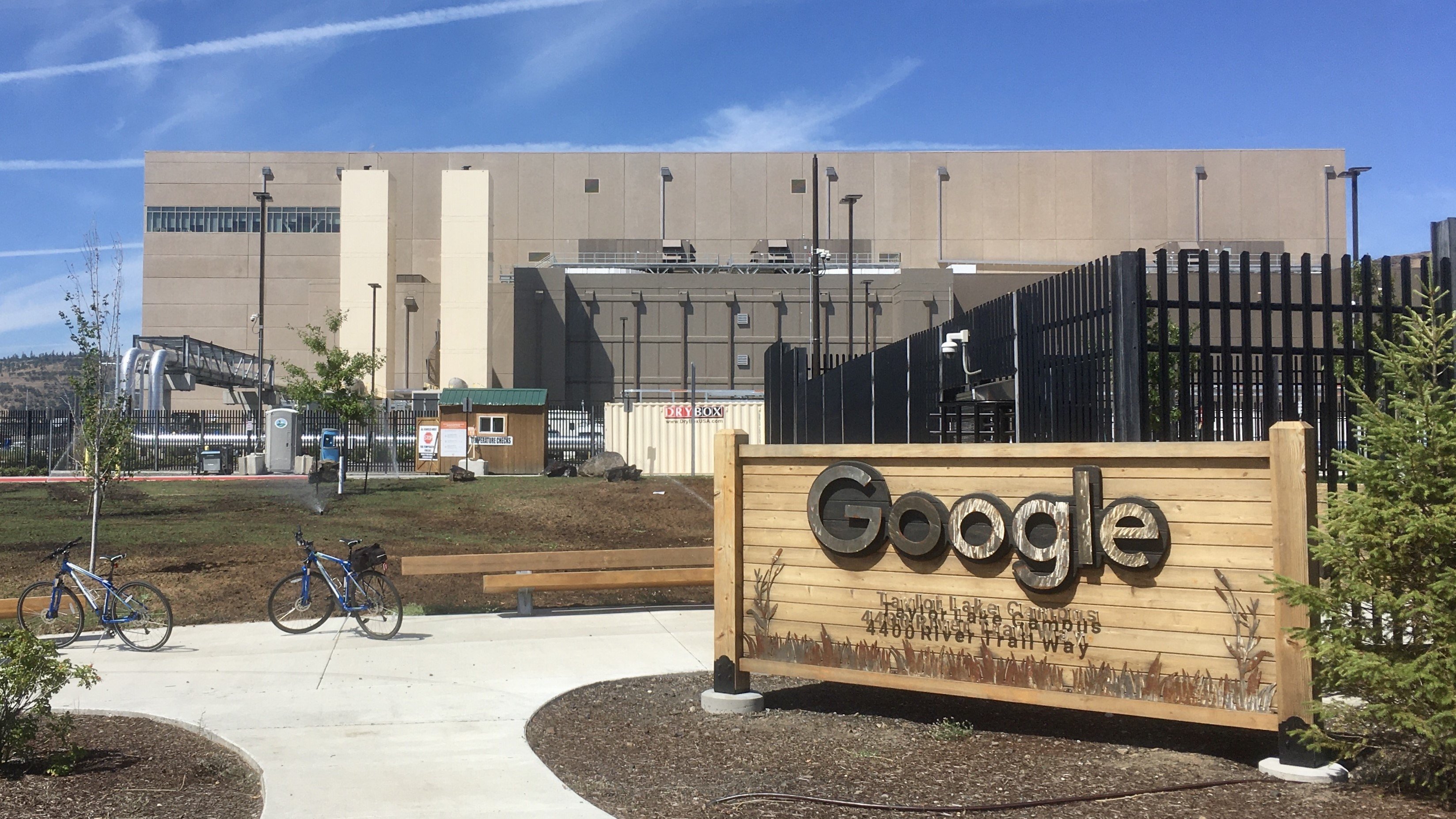
Data Centers Market Characterization
In 2024, the RTF explored the data center market, including seeking to understand the types of data centers and their individual energy efficiency and demand response opportunities. This study sought to provide information on the market and current efficiency practices to determine if there are potential measures for the RTF to consider developing in the future.

Efficient Electric Vehicle Market Characterizations
The RTF completed two separate studies to gain a deeper understanding of passenger class and commercial class battery electric vehicle markets to understand the energy efficiency and demand response opportunities to determine the potential of developing a future measure.
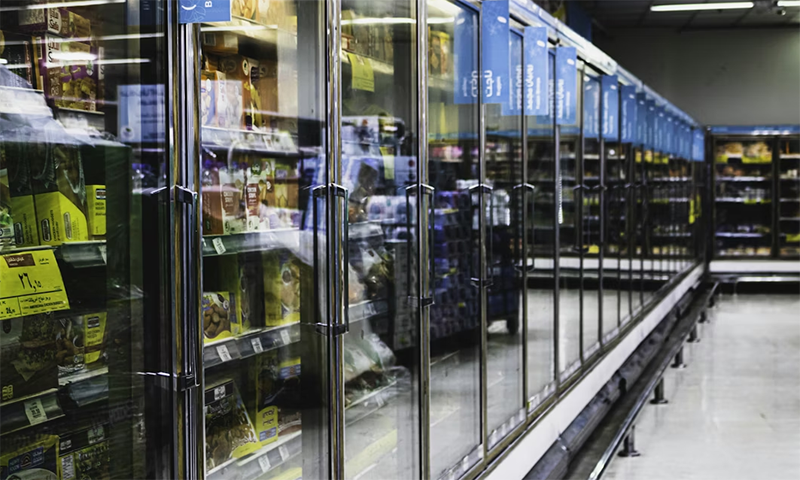
Low Global Warming Potential Refrigerant Impact on Energy Efficiency
The RTF developed insights into three research areas associated with the state of production and use of refrigerants, given the enacted laws across the United States to limit those with high global warming potential (GWP). This study was completed in 2022 and the scope focused on the four Northwest states.

Resiliency Value from Energy Efficiency Measures
The 2021 Power Plan directed the RTF to investigate the potential methods for quantifying the value of energy efficiency measures in providing building resilience during grid outages. In 2022, the focus of the work was on identifying and ultimately developing a methodology and tool for valuing resiliency. In a follow up project in 2025, the methodology and tool were further refined based on feedback from the RTF and the Council’s Conservation Resource Advisory Committee.

Framework for Quantifying Flexibility Benefits
The RTF investigated the current landscape of how power system power planning accounts for demand flexibility and the interactivity between energy efficiency and demand response. This study also provided analysis and classification of the interactive effects between energy efficiency and demand response resources to inform future modeling of these resources.

Sub-regional Measure Baselines
The RTF explored the issues and implications of estimating savings for sub-regions to achieve greater granularity in measures. These projects focused on two areas: secondary markets and demographic sub-regions.
Planning Measure Research
The RTF assigns categories to UES measures that have significant regional savings potential based on the reliability of the savings estimate or methodologies. Measures that are not considered reliable are categorized as Planning and the RTF develops a research strategy to convey the priority research objectives/questions that need to be answered to improve the reliability of the savings estimates. For the 2025-2029 business cycle, the RTF Policy Advisory Committee (PAC) expanded the RTF’s scope to include funding to allow for research efforts focused on completing the objectives of the research strategies for existing Planning UES measures. These projects will be selected by the RTF PAC with input from the RTF and interested parties during the annual RTF Work Planning process. As projects are completed, staff will publish the results on the website and provide updates to the RTF PAC on the progress of these efforts.